
Blog
Rare Earth & Critical Minerals Blog
Practical, in-depth guides for buyers, traders and procurement teams - from concentrate specifications to pricing, shipping and compliance.
All Articles
Guides & Analysis
 Market Analysis
Rare Earth Market Outlook 2026–2030: Prices, Supply Gaps and Strategic Shifts
Where the rare earth market goes from here: demand growth from EVs, wind and robotics, the ex-China buildout timeline, price scenarios and strategic implications for buyers.
 Buyer Guides
How to Buy Rare Earth Concentrate: Step-by-Step Process for Industrial Buyers
A step-by-step guide to buying rare earth concentrate: finding suppliers, verifying quality, negotiating price, KYC, contracts, payment terms and first shipment.
 Buyer Guides
Monazite vs Bastnaesite: Which Rare Earth Concentrate Should You Buy?
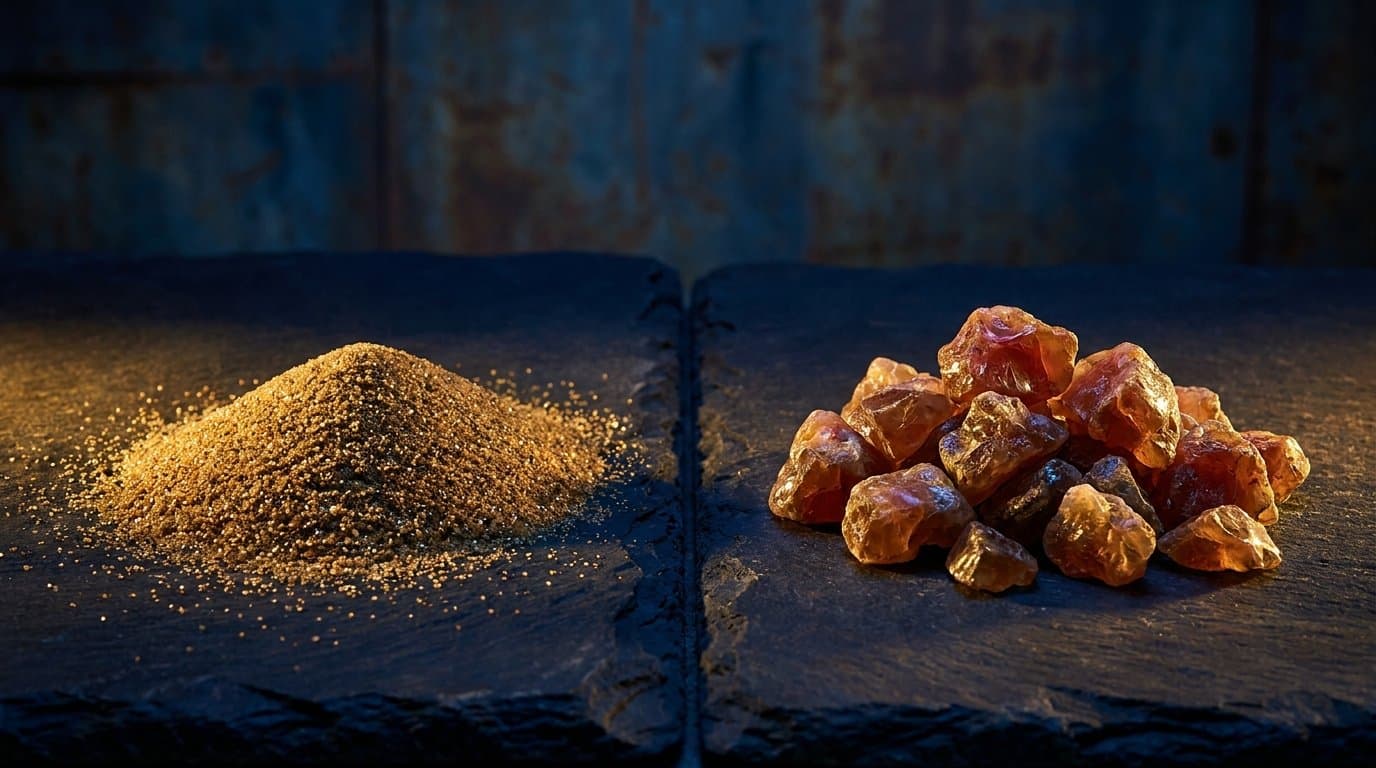
Compare monazite and bastnaesite rare earth concentrates: composition, NdPr content, thorium levels, licensing requirements, pricing and which is right for your plant.
 Market Analysis
NdPr Explained: Why Neodymium and Praseodymium Drive the Rare Earth Market
Neodymium and praseodymium (NdPr) account for most of the rare earth market's value. Learn why, how NdPr is priced, where it comes from and how buyers secure supply.
 Market Analysis
Rare Earth Prices Explained: How Concentrates and Oxides Are Actually Priced
No exchange sets rare earth prices. Learn how assessments from Fastmarkets, Asian Metal and SMM work, what basket price and payables mean, and how concentrate contracts are priced.
 Industry
The Rare Earth Supply Chain Explained: From Mine to Magnet
Follow rare earths through every stage: mining, beneficiation, cracking, separation, metal-making and magnet manufacturing - and see where the bottlenecks and opportunities sit.
 Industry
Heavy vs Light Rare Earths: The Difference That Decides Prices and Supply Risk
Light and heavy rare earth elements differ in abundance, sources, prices and supply risk. Learn which elements fall in each group and why heavies command extreme premiums.
 Industry
What Are Rare Earths Used For? All 17 Elements and Their Applications
A complete reference to rare earth applications: magnets, EVs, wind turbines, electronics, defense, medicine and more - element by element, from cerium to yttrium.
 Market Analysis
Why Does China Dominate Rare Earths? History, Numbers and What Comes Next
China refines ~90% of the world's rare earths and 98% of heavy rare earths. How did that happen, how is Beijing using it, and can the West actually diversify?
 Buyer Guides
Ex-China Rare Earth Sourcing: A Practical Diversification Playbook for Procurement Teams
How to actually source rare earths outside China: origin options, premium economics, compliance requirements and a step-by-step diversification strategy for buyers.
 Compliance
The EU Critical Raw Materials Act: A Compliance Guide for Mineral Buyers
What the EU CRMA means for companies buying rare earths and critical minerals: 2030 benchmarks, strategic projects, due diligence duties and how to prepare your supply chain.
 Applications
Rare Earth Magnets Explained: NdFeB, SmCo and the Materials Inside Them
How rare earth permanent magnets work, NdFeB vs SmCo compared, why dysprosium matters, and what magnet demand means for the raw materials market.
 Compliance
Monazite, Thorium and NORM Compliance: What Buyers Must Know Before Importing
Monazite contains 4-7% thorium, making it NORM-regulated. Learn the licensing, transport classification, testing and residue rules for importing monazite concentrate legally.
 Quality
How Rare Earth Concentrates Are Tested: XRF, ICP-MS and the Assay Chain
Inside mineral quality control: XRF screening, ICP-MS/OES assay, moisture, particle size and gamma spectrometry - what each method does and how buyers should use the results.
 Quality
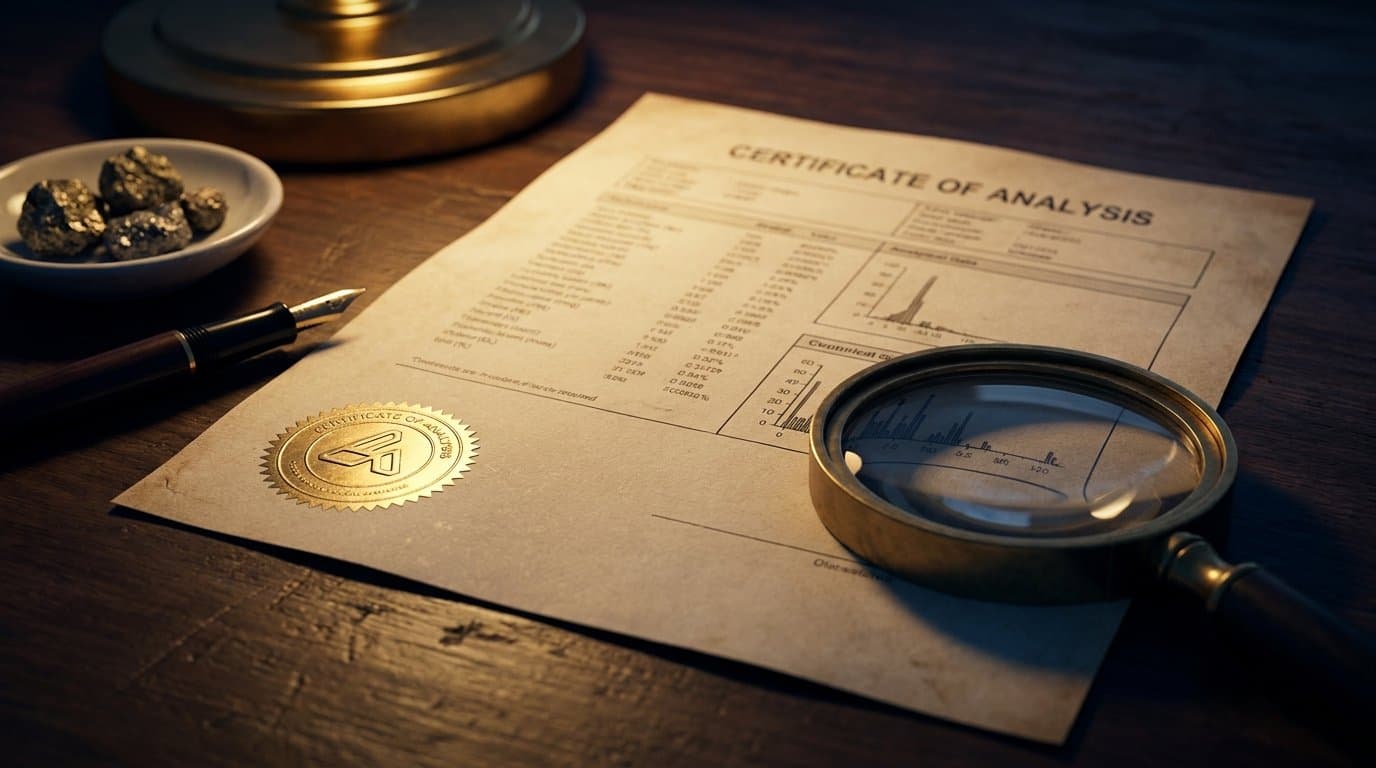
How to Read a Certificate of Analysis (COA) for Mineral Concentrates
A field-by-field guide to the Certificate of Analysis: what each section means, red flags to catch, and how to use the COA in settlement and disputes.
 Logistics
FOB, CIF or DAP? Choosing the Right Incoterm for Mineral Concentrate Shipments
A practical comparison of FOB, CIF and DAP for bulk mineral buyers: who pays what, where risk transfers, insurance, documentation and which term fits your situation.
 Logistics
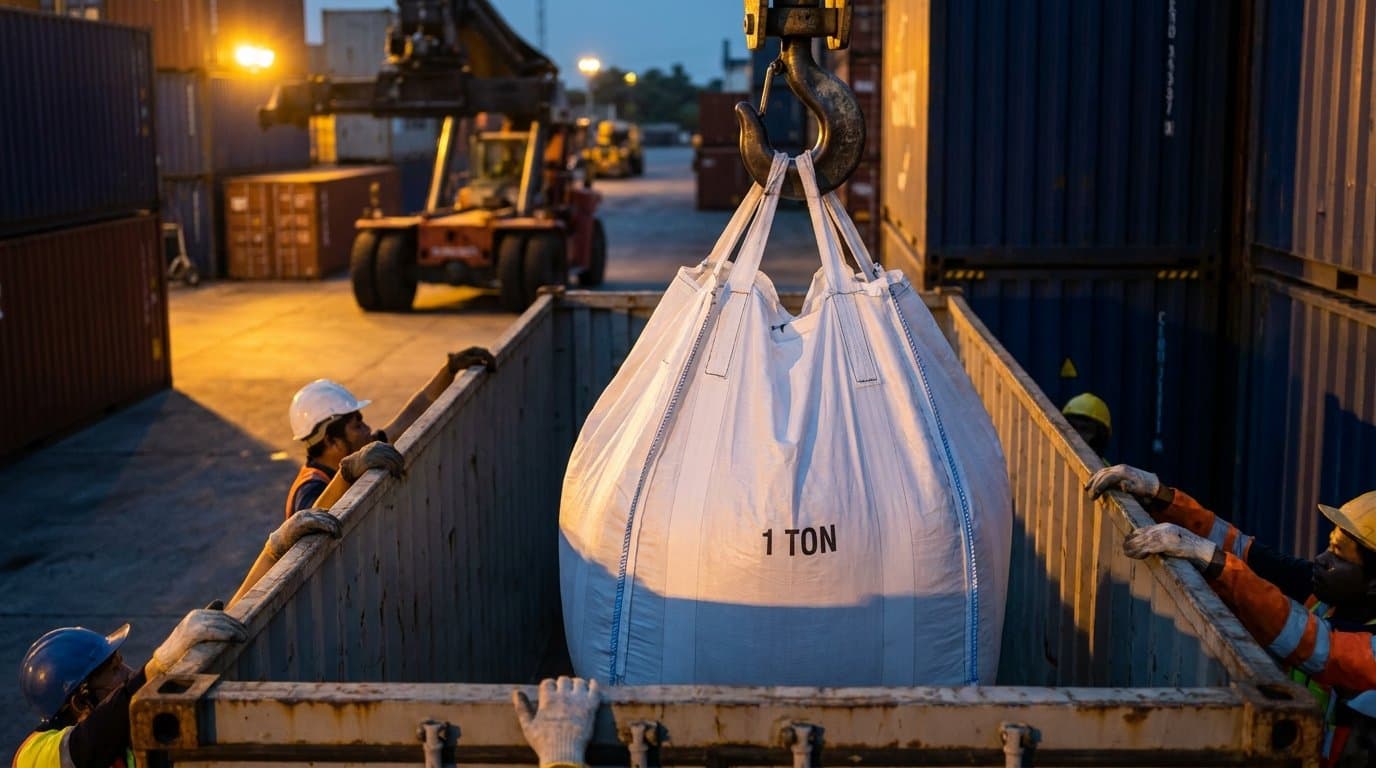
Shipping Mineral Concentrates: Packaging, Containers, Documents and Transit Times
How mineral concentrates move from Southeast Asia to world markets: jumbo bags vs drums, container loading standards, the document set, transit times and cost drivers.
 Buyer Guides
Letters of Credit in Mineral Trading: How L/C Payment Actually Works
A practical guide to documentary letters of credit for mineral concentrate transactions: how L/Cs work, key clauses, common discrepancies and alternatives like T/T and DP.
 Applications
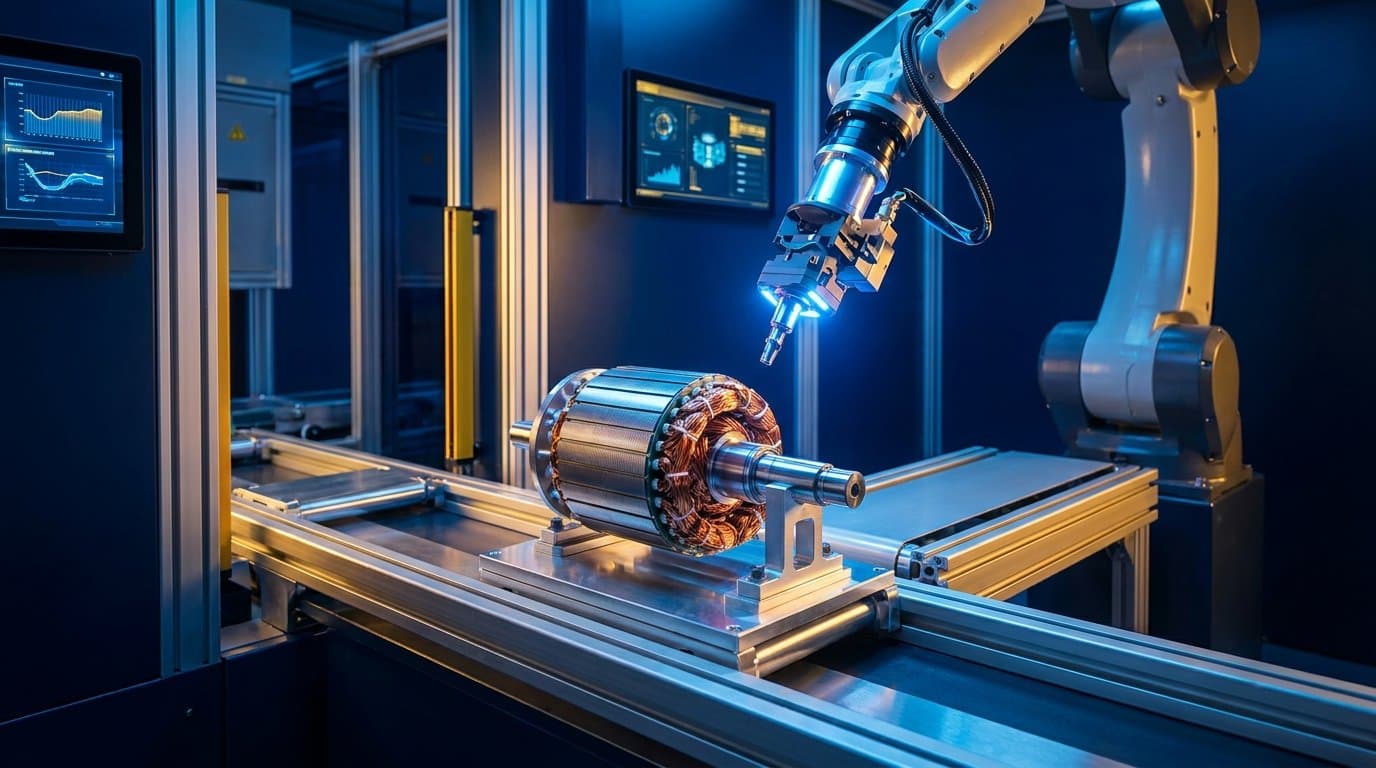
Rare Earths in Electric Vehicles: The Minerals Inside Every EV Motor
Every permanent-magnet EV motor depends on NdPr, dysprosium and terbium. See how much rare earth an EV uses, why substitution is hard and what it means for supply chains.
 Applications
Rare Earths in Wind Energy: Why Offshore Turbines Need 600 kg of Magnets per MW
Direct-drive wind turbines are among the largest rare earth consumers on earth. Learn how much NdPr and dysprosium wind power uses and what it means for supply.
 Applications
Rare Earths and Defense: The Minerals Behind Modern Military Technology
From F-35s to precision munitions, defense systems depend on rare earths. See where they're used, why stockpiles are growing and how defense demand reshapes the market.
 Applications
Natural Graphite for Battery Anodes: Grades, Processing and the Supply Gap
Graphite is the largest material in every lithium-ion cell. Learn flake vs amorphous grades, how anode material is made, and why the West faces a graphite supply gap.
 Industry
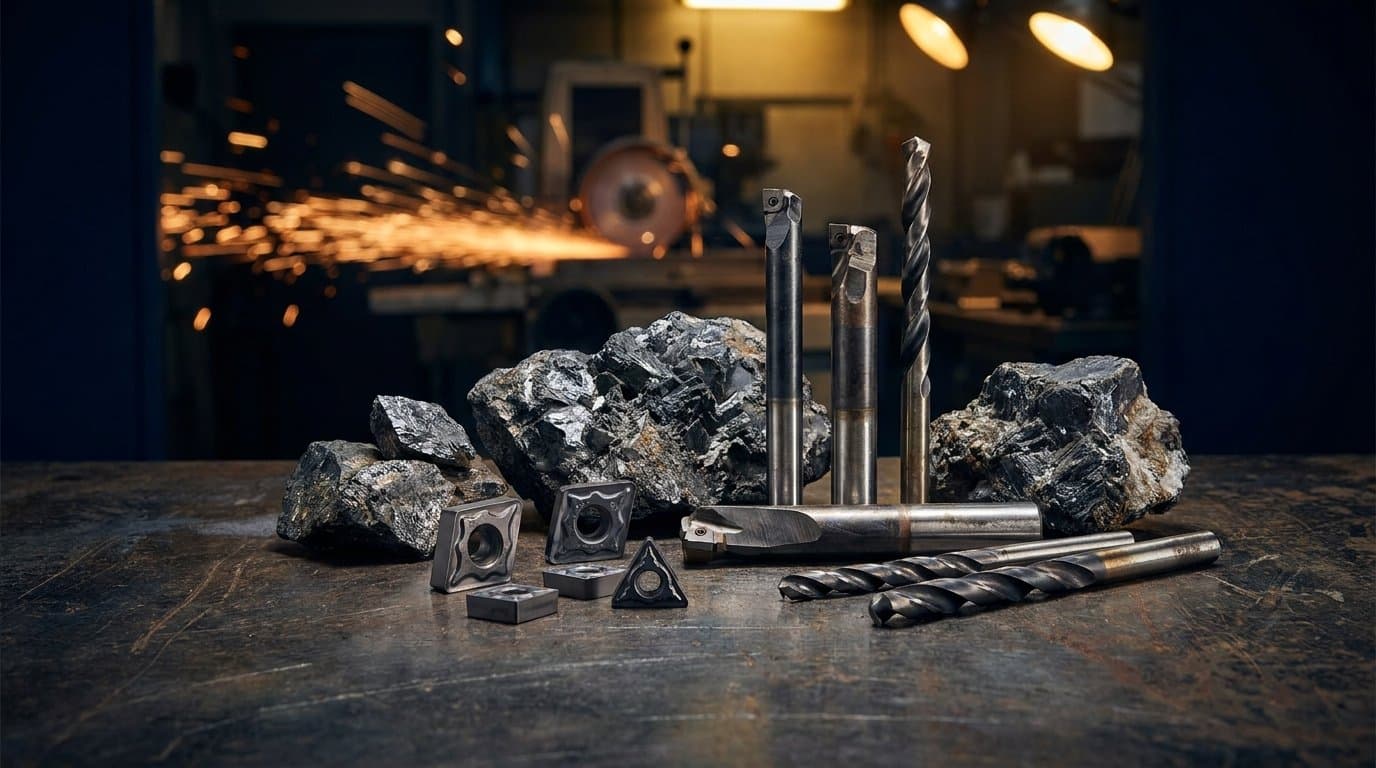
Tungsten: The Hardest Critical Mineral - Uses, Grades and Supply Outlook
Tungsten's extreme properties make it irreplaceable in cutting tools, aerospace and defense. A guide to wolframite and scheelite concentrates, WO3 grades and the market.
 Market Analysis
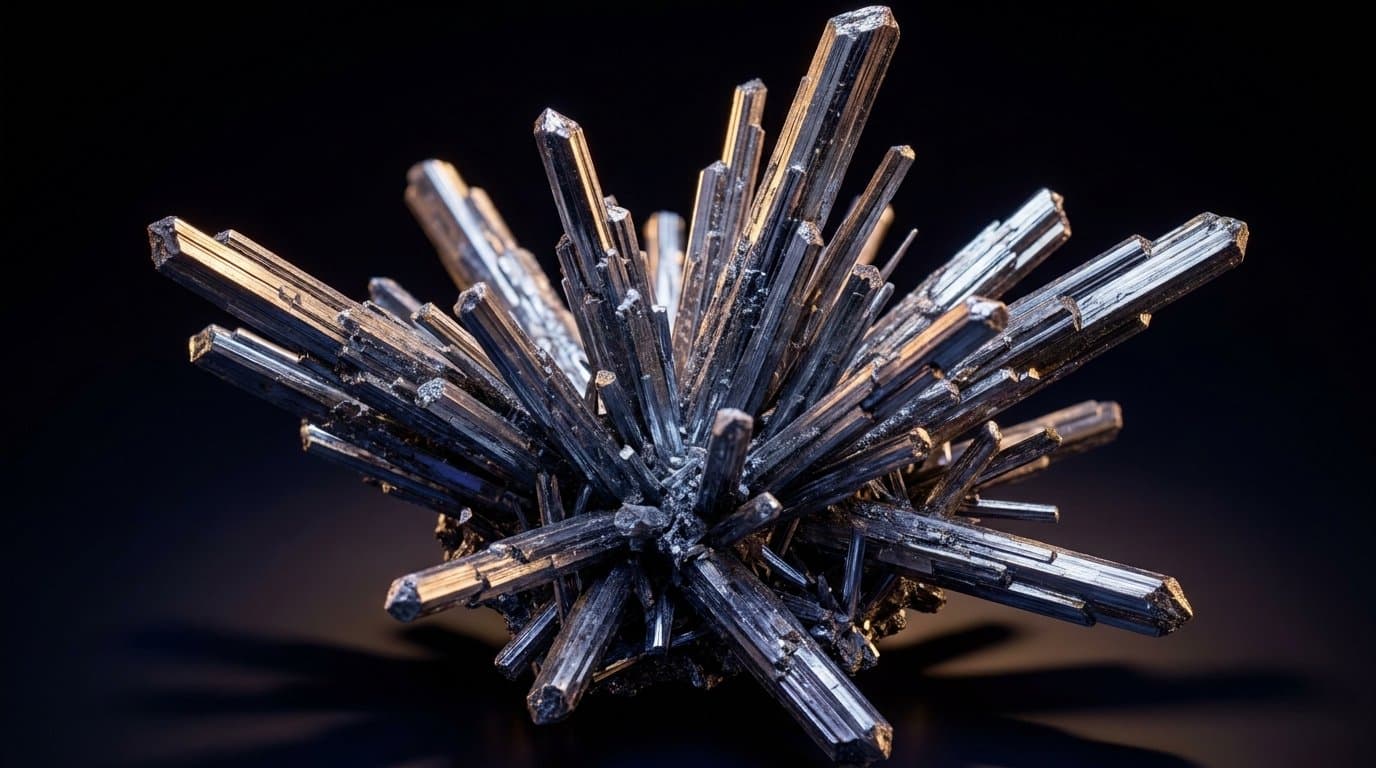
The Antimony Supply Crisis: Why This Obscure Metal Became a Strategic Emergency
Antimony prices have multiplied as Chinese export controls squeezed a market with no slack. Learn antimony's uses, the supply crunch and sourcing alternatives.
 Industry
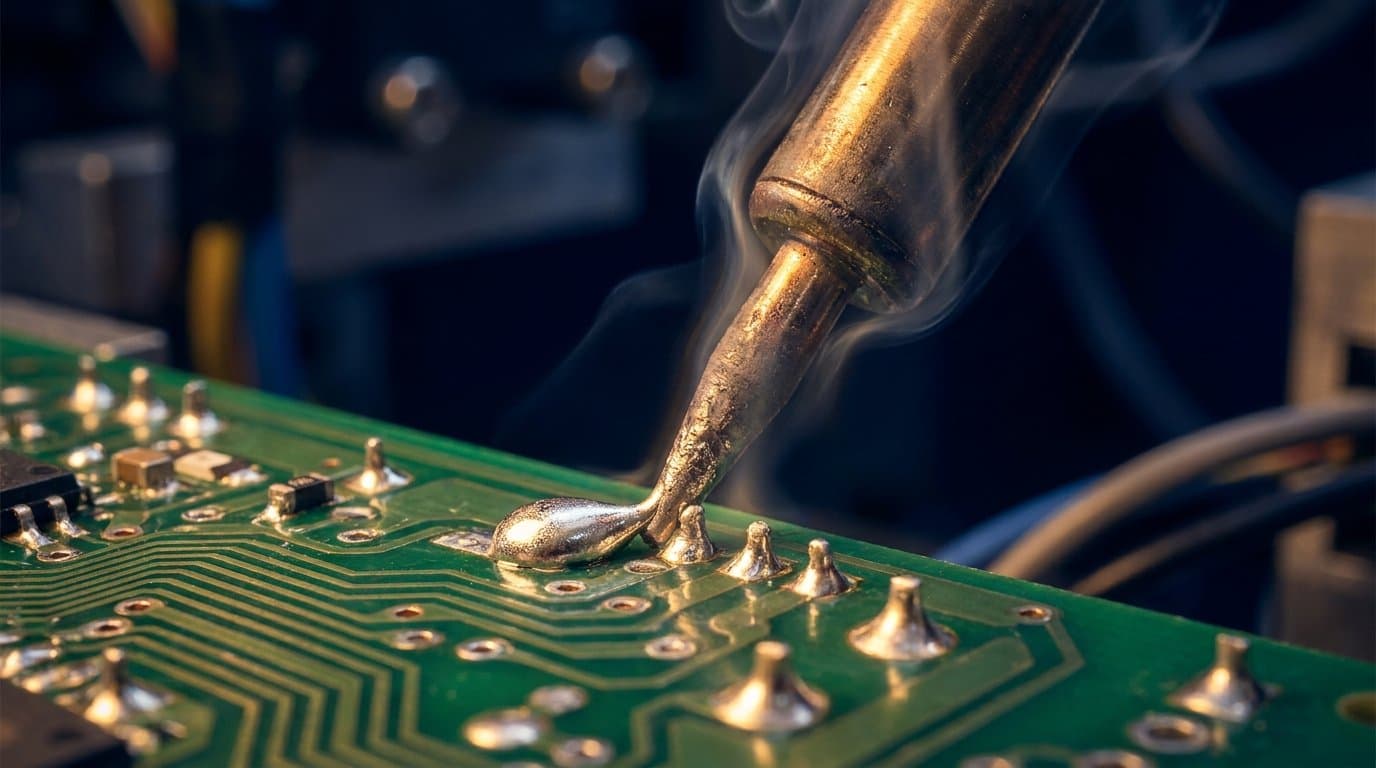
Tin: The Solder Metal Holding the Electronics Age Together
Half the world's tin becomes electronic solder. A guide to cassiterite concentrate, tin's role in electronics and AI hardware, and the Southeast Asian supply story.
 Industry
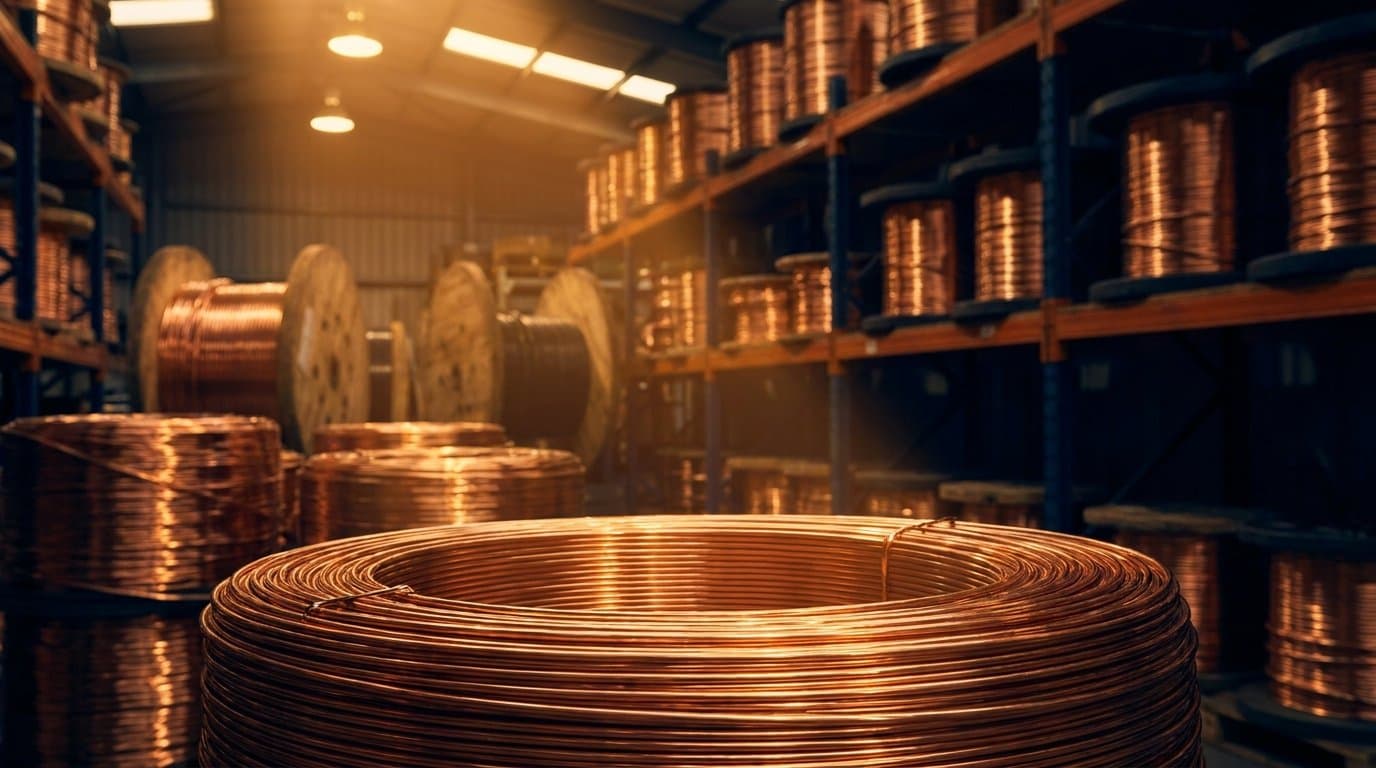
Copper and the Energy Transition: Why the World's Oldest Industrial Metal Is Critical Again
Electrification runs on copper - EVs, grids, renewables and data centers. A guide to copper concentrate trading, TC/RCs, and the structural deficit ahead.
 Industry
Southeast Asia's Rise as a Critical Minerals Hub: Thailand, Malaysia and Beyond
From tin-belt monazite to new separation plants in Malaysia and Thailand, Southeast Asia is becoming the ex-China pivot of critical mineral supply chains.
 Industry
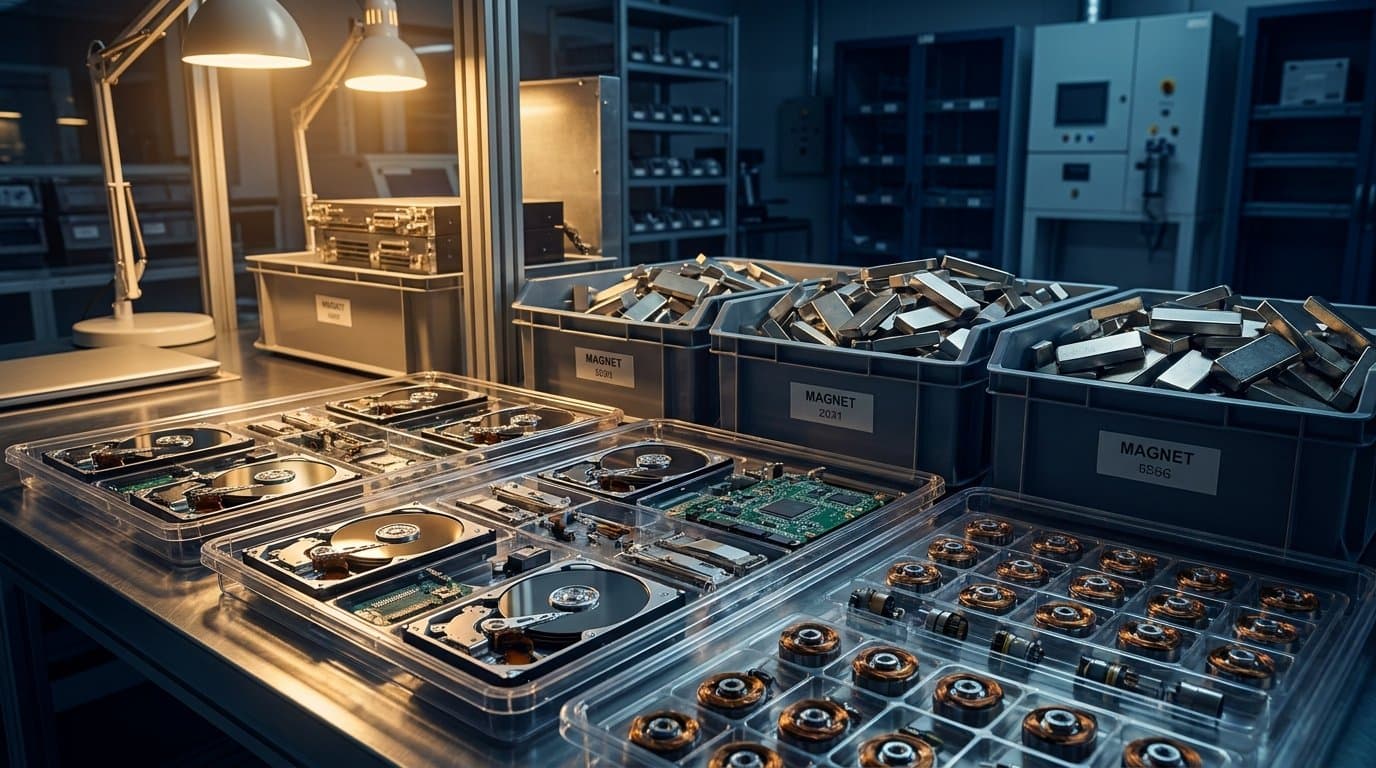
Rare Earth Recycling: Real Progress, Hard Limits and the 2030s Outlook
Can recycling solve the rare earth supply problem? The technologies, the EU's 25% target, why volumes stay small until the 2030s and what it means for primary supply.
 Compliance
Responsible Mineral Sourcing: The OECD Framework, RMI and What Buyers Must Verify
A practical guide to responsible sourcing for critical minerals: OECD 5-step due diligence, RMI alignment, chain of custody, ESG documentation and red flags.
Ready to Source High-Quality Critical Minerals?
Contact our team today for a competitive quote and reliable supply solutions.